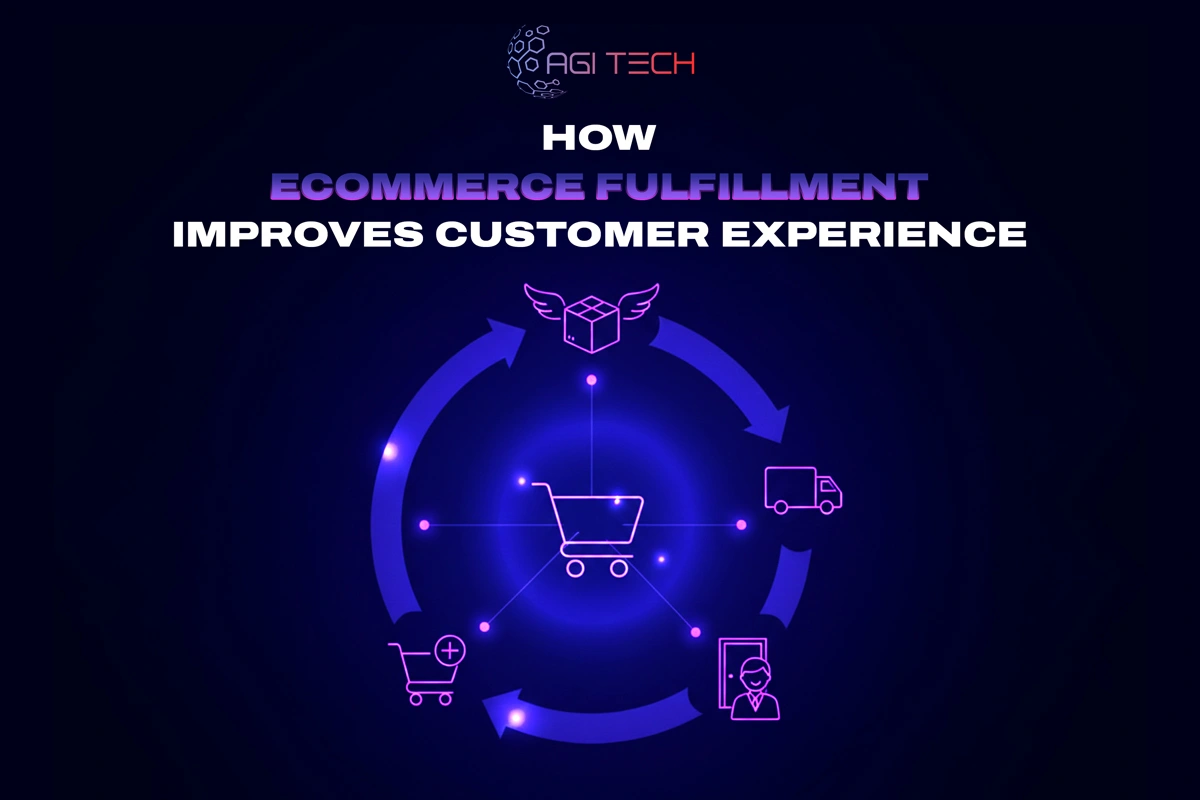
Ecommerce fulfillment, the whole process of receiving, picking, packing, shipping, and handling returns, is the invisible engine behind every positive online purchase. When fulfillment runs well, customers feel confident, orders arrive on time, and loyalty grows. When it fails, shoppers abandon carts, leave negative reviews, and never return.
How ecommerce fulfillment improves customer experience: By delivering the right product on time, keeping customers informed with clear tracking, and making returns simple, fulfillment reduces friction at purchase and delivery moments, increasing conversions, lowering support costs, and boosting repeat purchases.
Ecommerce fulfillment is the set of operations that move a product from seller to buyer: inventory intake, storage, order picking, packing, shipping, last-mile delivery, and returns processing. It includes both physical tasks (packing boxes) and orchestration tasks (inventory software, carrier selection, delivery communications).
Why it matters: Fulfillment is where the promise of your product meets real customer experience. Even a great product can be let down by slow shipping, poor packaging, unclear tracking, or a painful return process.
Fulfillment shapes five core customer perceptions: speed, reliability, clarity, convenience, and value. Improving fulfillment directly affects each perception in measurable ways.
1. Speed = better first impressions and higher retention.
Customers increasingly expect faster delivery windows. Faster ships reduce time-to-delight and make a first-time buyer far more likely to reorder. Short delivery windows also reduce buyer anxiety and generate positive post-purchase sentiment.
2. Reliability builds trust and lowers churn.
On-time delivery, true inventory visibility, and consistent packaging create predictable experiences. Predictability means fewer inquiry calls, fewer refunds, and more returning customers. In contrast, inconsistent fulfillment erodes trust quickly.
3. Transparency reduces support volume and chargebacks.
Clear tracking updates, ETA changes, and automated notifications cut inbound support requests and stop shoppers from assuming the worst. A sane returns policy with simple steps reduces friction and increases perceived value.
4. Convenience increases conversion and average order value (AOV).
Options like buy-online-pickup-in-store (BOPIS), scheduled delivery, and flexible return channels make shopping fit customers’ lives, and customers respond by buying more.
5. Perceived value from packaging & returns.
Packaging that protects and delights, plus easy returns, converts occasional buyers into loyal fans. Customers equate thoughtfulness in fulfillment with brand professionalism.
Pro tip: Prioritize consistency over speed. Fast but unreliable delivery damages trust more than slightly slower but highly reliable delivery. (This is especially true for subscription or repeat-purchase categories.)
Based on current trends, brands that invest in fulfillment orchestration (regional inventory, carrier mix, automation) see measurable gains in repeat purchase rates and lower support costs.
Example: A D2C apparel brand I consulted reduced returns-related support tickets by 28% after introducing a self-serve returns portal and routing inventory to regional hubs. The result: faster exchanges and a measurable uptick in repeat purchases over 90 days.
Quick wins: Add estimated delivery dates at product level, display shipping cost thresholds for free shipping, and create templated post-purchase emails with tracking links.
Sustainability trade-off: Fast shipping often increases carbon emissions through less efficient routing or air freight. If your customers care about sustainability, offer a slower, low-emission option and communicate the impact. Recent reporting shows faster shipping can increase emissions and that small delays or consolidated delivery options can reduce carbon footprint significantly.
Entity/term signals to mention for semantic depth: last-mile delivery, regionalization, carrier aggregation, order orchestration, perfect order rate, shipment consolidation, reverse logistics, WMS, OMS, API-based shipping rates.
Fulfillment optimization is rarely zero-sum, it’s a balancing act:
Fulfillment covers the end-to-end process (inventory, picking, packing, shipping, returns). Shipping is one stage, the physical transport from warehouse to customer. Good fulfillment manages shipping as one predictable, visible step of the customer journey.
It depends on promise and category. Many consumers now expect two-day delivery for general goods; for specialty items or high-cost goods, a 3-5 day window with reliable tracking is acceptable. Align expectations with your capability and be transparent.
Yes. Hidden or high shipping costs and unclear delivery times are major reasons for abandonment. Showing transparent costs, delivery windows, and affordable options reduces drop-off at checkout.
Returns add cost, but they are also an implicit trust-building mechanism. The goal is to make returns economical (improved sizing guides, better product descriptions, moderated return windows) while keeping the experience simple for customers.
It depends on scale and complexity. 3PLs offer faster regional reach and lower capital expenditure but at the cost of less control. Small merchants with local demand spikes benefit from hybrid models: keep a small in-house operation for core SKUs and use 3PLs for overflow or distant regions.
How Ecommerce Fulfillment Improves Customer Experience is a simple idea with complex execution. When you make fulfillment fast, transparent, and convenient, while balancing cost and sustainability, you reduce friction, lower cart abandonment, and increase repeat purchases. Start by measuring the customer journey, test small operational changes (regional inventory, better tracking, clearer shipping costs), then scale the tactics that raise on-time and perfect order rates. Over time, fulfillment becomes one of your strongest competitive advantages, because reliable delivery is where promises meet reality.
From branding to digital solutions, let’s take your business to the next level together.